
Mortal Kombat: Legacy Kollection
Genre: Compilation / Fighting Game
Players: 1-2 Competitive (Local / Online), 3-8 Competitive Tournament (Local / Online)
The Nintendo Switch 2 Difference
.
Review:
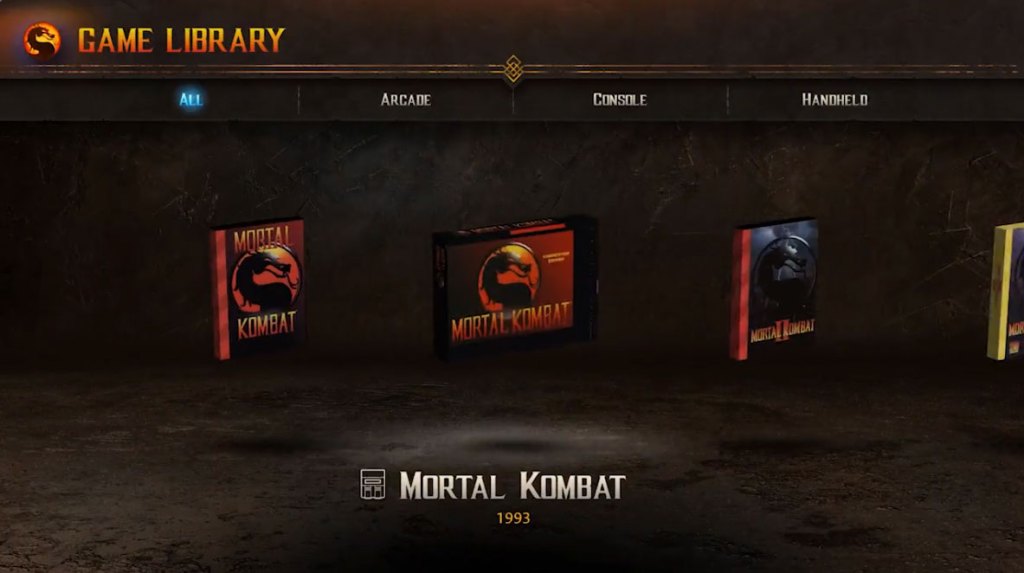
Digital Eclipse has become something of a gold standard for videogame compilations, a reputation they earned through multiple releases by this point: Atari 50: The Anniversary Collection, The Making of Karateka, Llamasoft: The Jeff Minter Story, and Tetris Forever. While the quality of the games in these collections varies, they all offer a hefty number of games for the price, and an absolute wealth of bonus content to the point where the games act as a virtual museum of sorts for their topic matter, with hours of documentary footage as well as more modern interviews. The next game in this series, Mortal Kombat Legacy Kollection, is no exception here.
I’ll be getting to the games themselves in a bit (including separate versions, Mortal Kombat Legacy Kollection contains a whopping 23 games, though if you don’t count separate versions and revisions, it goes down to a more modest 7 or 8-ish), but since many see Digital Eclipse collections as a museum piece first, let’s talk about that first.
Mortal Kombat Legacy Kollection includes a curated and organized timeline of behind-the-scenes text, archival video footage, modern interviews, making-of video footage, concept art, production art, promotional art, unused in-game artwork, and other content, that will take you literally hours to watch through. It covers everything from the initial hiring of series creators Ed Boon and John Tobias to Midway Games, their work with the company prior to creating Mortal Kombat, conceptualizing and gradually creating the game that would become Mortal Kombat, their early public tests of the game, the efforts to port the game to consoles (with varying degrees of success), the political backlash to the game’s extremely high level of violence, the work on the sequels that followed, the stage show tour, the briefest of mentions of the films, the various technical and gameplay innovations each additional installment brought with them, and John Tobias’ eventual split from Midway Games on amicable terms.
It’s pretty comprehensive, though I do feel like they could have gone deeper into the videogame violence controversy and the film tie-in. Heck, I don’t think they even mentioned the live-action TV series (it wasn’t good, but I’d think it still deserves mention). it’s a shame that for how extensive all this extra content is, it still feels like they could have done even more.
In addition to this guided tour of the series’ history (which tapers off after Mortal Kombat 4’s release), this game also includes a breakdown of the series’ absurdly convoluted lore, individual character bios for all playable characters through until Mortal Kombat 4, and a music player where players can listen to and make playlists out of the arcade and console versions of the included games.
When it comes to options for the games themselves, you have the usual stuff – display options, controller remapping, rewind and save states. For games with unlockable characters and content you can opt to make this content available from the start. Original Game Boy games can be played with their original palette or a Game Boy Color palette. You can choose to have an overlay that lists your character’s special move inputs or combo inputs. Many games give players access to a training mode to try out the gameplay or perfect their execution of fatality moves. Speaking of fatality moves, many included games let you give yourself an infinite timer to execute these moves, or have them activate with a single button press. And I’m sure there’s other stuff I’m forgetting but I think you get the point – there’s a lot of options here.
Finally, before moving on to the games themselves, I should address one issue this release became infamous for early on – in its original release, the game was buggy and lacked features on Nintendo Switch. As of this writing, those bugs appear to be pretty much fixed with post-release patches, and the missing features (mostly) restored – cross-play is now available for almost all titles, except for Mortal Kombat Trilogy, which doesn’t support cross-platform play on Nintendo Switch but does on Nintendo Switch 2, for some reason.
Okay, so what about the games themselves? I should note that each game is the latest version of that specific iteration. Anyway, here’s what I thought of the included games in this collection:
| Game | Genre | # of Players | Score |
|---|---|---|---|
| Mortal Kombat (Arcade) | Fighting Game | 1-2 Competitive (Local / Online) | C |
tl;drThe original Mortal Kombat only featured 7 playable characters with only a few special moves each, and the controls feel a bit stiff and clunky. This game is absolutely iconic, but it’s terribly dated now. | |||
| Mortal Kombat (Genesis) | Fighting Game | 1-2 Competitive (Local / Online) | C- |
tl;drAll of the positive and negative qualities of the arcade game, but with worse graphics and sound, along with an unlockable “cheat menu”. Unless you have nostalgia for this version, I see little reason to play this over the original arcade game. | |||
| Mortal Kombat (SNES) | Fighting Game | 1-2 Competitive (Local / Online) | C- |
tl;drThis release looks and sounds much better than the Sega Genesis version, but it was infamously heavily censored. It’s great as a curio, but once again there’s no reason you’d play this over the arcade game. | |||
| Mortal Kombat (Game Gear) | Fighting Game | 1-2 Competitive (Local) | D+ |
tl;drIt’s impressive that they were able to get the game working this well on such underpowered hardware, but it’s clearly massively compromised, with clunkier controls, simplified and reduced character move sets, and the removal of Kano as a playable character. | |||
| Mortal Kombat (Game Boy) | Fighting Game | 1-2 Competitive (Local) | F |
tl;drWhile this is the first game to let players play as boss character Goro, that doesn’t make up for how extremely clunky and unresponsive this game’s controls are, the extremely ugly visuals, and the loss of Johnny Cage as a playable character. This game is pretty much unplayable. | |||
| Mortal Kombat II (Arcade) | Fighting Game | 1-2 Competitive (Local / Online) | B- |
tl;drThe number of playable characters has been increased to 12, with new and returning characters getting a wider and more diverse move set. The controls are still a bit stiff, but this is a marked improvement over the first game. | |||
| Mortal Kombat II (SNES) | Fighting Game | 1-2 Competitive (Local / Online) | B- |
tl;drThis is a solid port of the arcade game, with relatively few compromises, a refreshing change from the SNES port of the first game. | |||
| Mortal Kombat II (Genesis) | Fighting Game | 1-2 Competitive (Local / Online) | B- |
tl;drThe graphics in this release are inferior to the arcade and SNES versions, but otherwise this is a solid port. | |||
| Mortal Kombat II (32X) | Fighting Game | 1-2 Competitive (Local / Online) | B- |
tl;drLike the Genesis version, but with improved graphics and sound (though still not on par with the arcade and SNES versions). | |||
| Mortal Kombat II (Game Boy) | Fighting Game | 1-2 Competitive (Local) | C- |
tl;drThis version cuts the playable characters down to 8 (no Johnny Cage, Baraka, Kung Lao, or Raiden), but this is a far better and more playable port than the Game Boy port of the original game. Even so, it’s still clunky and laggy compared to other versions of the game. | |||
| Mortal Kombat 3 (Arcade) | Fighting Game | 1-2 Competitive (Local / Online) | B- |
tl;drThis game expands the playable roster to 15 characters, adds a run button, and works in a combo system. I think this gameplay is unwelcoming to newer players, but it’s still an improvement over the prior games. | |||
| Mortal Kombat 3 (SNES) | Fighting Game | 1-2 Competitive (Local / Online) | B- |
tl;drLike the arcade game but with worse visuals. | |||
| Mortal Kombat 3 (Genesis) | Fighting Game | 1-2 Competitive (Local / Online) | B- |
tl;drThis release makes the two boss characters playable, but the graphics are worse than the arcade and SNES versions. | |||
| Ultimate Mortal Kombat 3 (Arcade) | Fighting Game | 1-2 Competitive (Local / Online), 2-8 Competitive (Local / Online Tournament) | B |
tl;drThis release increases the playable roster to 22 characters, bringing back multiple classic characters, as well as adding more stages and bonus features, along with adding 2v2 and tournament modes. An overall improved version of Mortal Kombat 3. | |||
| Ultimate Mortal Kombat 3 (WaveNet) | Fighting Game | 1-2 Competitive (Local / Online), 2-8 Competitive (Local / Online Tournament) | B |
tl;drSimilar to the original release of Ultimate Mortal Kombat 3, but with two unlockable characters. This is interesting mostly for the fact that it was originally released as an online arcade game. Otherwise, it’s mostly a rehash. | |||
| Ultimate Mortal Kombat 3 (SNES) | Fighting Game | 1-2 Competitive (Local / Online), 2-8 Competitive (Local / Online Tournament) | B |
tl;drThis release adds one extra character on top of the arcade version, but has worse graphics. | |||
| Mortal Kombat Trilogy (PlayStation) | Fighting Game | 1-2 Competitive (Local / Online), 2-8 Competitive (Local / Online Tournament) | B |
tl;drThis release includes virtually every character from the series up to this point (for a total of 32 playable characters plus 1 hidden character), including multiple iterations of characters that were in more than one game in the series. This version also adds “aggressor mode”, which encourages more aggressive playstyles. | |||
| Mortal Kombat 4 (Arcade) | Fighting Game | 1-2 Competitive (Local / Online), 2-8 Competitive (Local / Online Tournament) | C+ |
tl;drThe jump to 3D results in hit detection that feels off, and new weapons for each character that take so long to draw and are so easily disarmed that they often act as an afterthought. I should note this release does give the option to play with improved resolutions over what was in the original release of the game, which makes for a nice upgrade. | |||
| Mortal Kombat Mythologies: Sub-Zero (PlayStation) | Action | 1 | F |
tl;drAn attempt to take the Fighting Game controls and gameplay and turn it into a single-player Action game goes horribly awry here, with absolutely terrible controls and level design that make this game nearly unplayable. | |||
| Mortal Kombat: Special Forces (PlayStation) | Top-Down Action | 1 | D |
tl;drThis Top-Down Action game’s overhead view is restrictive, its combat is extremely clunky and unsatisfying, and the game is overall too repetitive. | |||
| Mortal Kombat Advance (Game Boy Advance) | Fighting Game | 1-2 Competitive (Local) | D- |
tl;drThis release features 23 playable characters plus 3 hidden playable characters, which seems nice… except this game’s enemy AI is absurdly overly-aggressive, and the controls are pretty terrible. | |||
| Mortal Kombat: Deadly Alliance (Game Boy Advance) | Fighting Game | 1-2 Competitive (Local) | C- |
tl;drThis game features 12 characters and limited, simplified controls that feel clunky and laggy, which overshadows the interesting fighting style-swapping gameplay and mix of 2D and 3D visuals. | |||
| Mortal Kombat: Tournament Edition (Game Boy Advance) | Fighting Game | 1-2 Competitive (Local) | C- |
tl;drThis is basically an alternate version of the Game Boy Advance release of Mortal Kombat: Deadly Alliance with 15 characters, almost all of them different than what was in Deadly Alliance. It still suffers from clunky, laggy controls, though. | |||
In short, while a lot of what’s here is interesting, I think the most worthwhile games in this bunch are the arcade versions of Mortal Kombat 2, Ultimate Mortal Kombat 3, and Mortal Kombat 4, and the PlayStation release of Mortal Kombat Trilogy… and you can maybe toss the original arcade release of the first Mortal Kombat on there as a nostalgia pick, I suppose.
As for everything else? It’s just inferior console ports, spin-off games that are dumpster fire-level bad, and handheld games that range from “it’s terrible but impressive that it even works” to “literally unplayable”.
Most of the games included here will only be of value to gaming historians and players with nostalgia for a specific version of a game, and even those players will likely be befuddled at some of the omissions here. No Sega platform games other than Genesis, Game Gear, and 32X? No Nintendo 64 releases? No PC versions? No Game Gear version of Mortal Kombat II or III?
However, the real odd decision here is to include the heavily-compromised Game Boy Advance ports of Mortal Kombat: Deadly Alliance, but not the console versions, and the choice to have the terrible spin-off Sub-Zero and Special Forces games, but not the well-regarded Shaolin Monks spin-off.
In short, both in terms of bonus content and in terms of games, there’s a lot of stuff here, but in both cases it’s not comprehensive, and some of the important stuff has been skipped over while other less important things have gotten a focus.
However, while there are certainly things that one can complain about in Mortal Kombat Legacy Kollection, I think Mortal Kombat fans will be mostly pleased with how much quality content there is here up through Mortal Kombat 4. And while there are definitely some stinkers here among the various version releases, handheld games, and spin-off trash, the good stuff is still good, and this collection brings the goods where it counts. In other words, this is absolutely not a flawless victory, but Mortal Kombat fans looking to pick this up to test their might will find enough good content here to keep them toasty for a good long while.
tl;dr – Mortal Kombat Legacy Kollection is a Compilation containing 23 games (about 7-8 of them that are unique and not just different versions or alternate releases), along with Digital Eclipse’s usual hours upon hours of museum/documentary-style collection of extra content. There are some questionable choices and glaring omissions here, and many of these games are duds, but the best of the lot are still enjoyable and this package overall provides plenty to make it more than worthwhile for Fighting Game fans.
Grade: B+
.
The Nintendo Switch 2 Difference
Mortal Kombat: Legacy Kollection (Nintendo Switch 2)
Genre: Compilation / Fighting Game
Players: 1-2 Competitive (Local / Online), 3-8 Competitive Tournament (Local / Online)
.
Review:
Mortal Kombat: Legacy Kollection has received a Nintendo Switch 2 version, with no upgrade path for players who bought the Nintendo Switch release. Are Nintendo Switch version owners being left out? What differences are there between these two releases, anyway?
Well, since we’re talking about a collection of older games, don’t expect much to change in the visuals. Everything here still looks dated, because the original content is dated. I suppose the framerates might be smoother, though I might just be seeing things, because if so it’s very subtle.
There are two definite benefits that the Nintendo Switch 2 version has over the Nintendo Switch release, though. First, while the Nintendo Switch version of the game doesn’t allow online cross-play on Mortal Kombat Trilogy, the Nintendo Switch 2 version does. I’m not sure why, but for some reason the original Nintendo Switch is missing this feature on this one game.
The other upgrade here is the initial loading time, with the Nintendo Switch version taking 17 seconds to load to the main menu, while Nintendo Switch 2 only takes 5 seconds. I’d compare the other loading times, but all other loading times in this game are negligible, only 1 or 2 seconds in both versions.
I should note that those considering the physical release needn’t be concerned about the “Game Key Card” issue, as the Nintendo Switch 2 release is the game on a cartridge… well, except like the Nintendo Switch version, Mortal Kombat 4 requires a download, as do the post-release patches you’ll want to be sure to get.
So, is the Nintendo Switch 2 version superior to the Nintendo Switch version? Yes, but only just barely. if you got the Nintendo Switch version, there’s very little reason to feel left out for not getting this release.
tl;dr – Mortal Kombat Legacy Kollection is a Compilation containing 23 games (about 7-8 of them that are unique and not just different versions or alternate releases), along with Digital Eclipse’s usual hours upon hours of museum/documentary-style collection of extra content. There are some questionable choices and glaring omissions here, and many of these games are duds, but the best of the lot are still enjoyable and this package overall provides plenty to make it more than worthwhile for Fighting Game fans.
Grade: B+
.
You can support eShopperReviews on Patreon! Please click HERE to become a Sponsor!
This month’s sponsors are Jamie and His Cats, Ben, Ilya Zverev, Andy Miller, Johannes, Jaka, Jared Wark, Gabriel Coronad-Medina, Francis Obst, Kristoffer Wulff, Seth Christenfeld, and Vince Verrinoldi. Thank you for helping to keep the reviews coming!


Leave a Reply